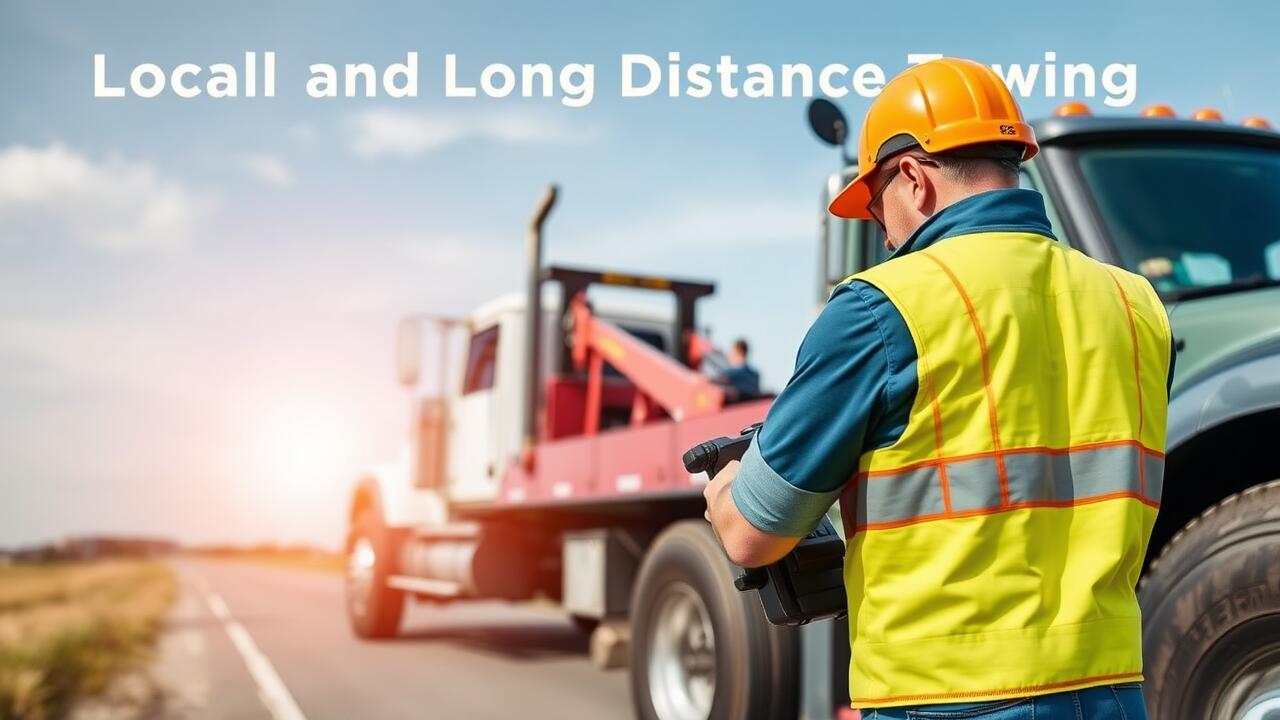
At Dallas Towing Top Master, we specialize in both local and long-distance towing services, ensuring that whether you're just a few blocks away or hundreds of miles from your destination, you can count on us for prompt and reliable assistance. Our team of experienced professionals is equipped to handle various vehicles, from cars and trucks to motorcycles, providing safe and efficient transportation when you need it most. We understand that vehicle breakdowns can be stressful, which is why we prioritize customer satisfaction and timely service. With our commitment to quality and affordability, Dallas Towing Top Master is your go-to solution for all your towing needs, no matter the distance.
The Towing Process Explained
When a vehicle breaks down or encounters an accident, the towing process begins with a call to a towing service provider. Dispatch professionals are trained to gather essential information, including the vehicle's location, type of vehicle, and the nature of the problem. This allows the company to deploy the appropriate tow truck, whether flatbed or heavy-duty, based on the situation. Especially in urban areas like Chicago or Boston, a fast response is crucial, and many companies operate 24/7 to ensure assistance is available at any time, whether for a classic car or a heavy piece of equipment.
Once on site, technicians assess the vehicle to determine the best recovery method. If towing is required, they carefully secure the vehicle using specialized equipment, such as wheel lifts or straps, to prevent any additional wear and tear during the tow. This step is critical, especially when dealing with luxury or exotic cars that need extra attention. After the vehicle is secured, it is transported safely to the designated location, whether that be a repair shop or the owner's residence. The process emphasizes not only efficiency but also the importance of customer service, fostering a sense of trust and reliability in towing experiences.
Step-by-Step Overview of Vehicle Recovery
Vehicle recovery begins with the assessment of the situation to determine the best method for towing. A professional operator will arrive on-site and evaluate the vehicle's location, condition, and any potential hazards. This step is crucial for ensuring safety and efficiency throughout the process. The driver will communicate with the vehicle owner to understand any specific concerns while also considering the best routes for transportation based on local highways and regulations.
Once the assessment is complete, appropriate towing equipment is selected. For light trucks and sedans, a flatbed trailer may be used, while construction equipment or junk vehicles might require specialized trailers. Operators rely on tools such as winches and secure straps to safely load and transport the vehicle. Maintaining visibility and adhering to safety protocols are vital throughout the recovery process to protect both the operators and the public. Communication with the vehicle owner remains important, ensuring they are informed every step of the way.
Towing Equipment and Technology
In the towing industry, the right equipment and technology play a crucial role in ensuring efficient and safe vehicle recovery. Tow trucks come in various types, from light-duty vehicles for cars to heavy-duty trucks designed to manage semi-trailers and larger assets. Modern tow trucks often feature advanced winching systems that provide the necessary power to recover vehicles from difficult positions. These systems are essential for minimizing potential damage to both the recovered vehicle and the surrounding environment.
GPS technology has revolutionized how towing companies operate, enabling them to provide quicker responses and better service. Companies can track their trucks' locations in real time, optimizing routes to reduce response times. Additionally, the use of integrated communication systems allows tow truck drivers to stay updated on the status of their operations and maintain contact with clients. This combination of reliable equipment and technology fosters a sense of confidence for customers, knowing that their vehicles are in capable hands during times of distress.
Essential Tools Used in Towing Services
Towing services rely heavily on specialized equipment to safely recover and transport vehicles. Flatbed trailers are commonly used for light and heavy-duty towing, accommodating everything from motorcycles to semi trucks. This type of trailer provides a stable platform for damaged or immobilized vehicles, reducing the risk of further injury during recovery. Additionally, winches are essential in cases where a vehicle is unable to drive. These powerful tools help pull vehicles onto the towing apparatus, ensuring that even those stuck in awkward positions can be transported effectively.
For urban environments where parking lots and garages often present challenges, towing companies utilize various tools tailored to tight spaces. Smaller wrecker trucks can navigate narrow roads and congested areas more efficiently compared to their larger counterparts. Forklifts can also be used to lift or move vehicles that may be obstructing access, showcasing the versatility of towing equipment. Effective communication between truck drivers and dispatch teams is vital in ensuring the right tools are employed for specific situations, minimizing delays and optimizing recovery operations.
How to Choose a Reliable Towing Company
Selecting a dependable towing company requires careful consideration of several factors. Start by evaluating their compliance with safety regulations. Check if the company has up-to-date equipment that meets industry standards. A reliable provider typically uses modern tools and vehicles, like heavy-duty trucks and flatbed trucks, ensuring they can handle any vehicle, from passenger cars to trucks. Testimonials and reviews can also provide insights into their service quality.
Another important aspect is the company’s response time and availability. A good towing service should be reachable 24/7 to assist you during emergencies, such as flat tires or traffic accidents. Look for those that specify their coverage areas, including specific locations like Arlington, Westmont, and Oakbrook. Additionally, inquire about their pricing structure upfront. Transparent companies will provide clear details about potential costs, including tolls and any other fees that may arise during vehicle recovery.
Qualities of Trusted Towing Providers
When searching for a reliable towing company, several key qualities should be considered to ensure peace of mind. A professional provider operates 24/7, proving their dedication to assisting customers in emergencies at any hour. Experience in the industry is crucial, as seasoned companies have likely encountered diverse situations, from light-duty trucks to heavier machinery, and know how to handle them effectively.
In addition to experience, transparency in pricing is essential. Trusted providers offer clear fees without hidden charges, preventing surprises during stressful situations. Utilizing advanced technology such as GPS tracking can enhance the customer experience, ensuring timely service and precise location for vehicle recovery. Reliability also includes a well-maintained fleet of tow trucks and equipment, which helps prevent damages to vehicles during transport.
FAQS
What is the difference between local and long distance towing?
Local towing typically refers to towing services that occur within a limited radius, often under a certain number of miles, while long distance towing involves transporting a vehicle over greater distances, often crossing state lines.
How does the towing process work?
The towing process generally involves assessing the vehicle's condition, utilizing the appropriate towing equipment, securing the vehicle, and then transporting it to the desired location, which could be a repair shop or another specified destination.
What equipment is commonly used in towing?
Common towing equipment includes tow trucks, flatbed trucks, wheel-lift systems, chains, straps, and safety cones. Advanced technology such as GPS and vehicle recovery software may also be utilized for efficiency and tracking.
How can I choose a reliable towing company?
To choose a reliable towing company, look for qualities such as positive customer reviews, prompt response times, licensed and insured services, experienced staff, and transparent pricing. It’s also helpful to ask for recommendations from friends or family.
What should I do if my vehicle breaks down?
If your vehicle breaks down, ensure your safety first by moving to a secure location if possible. Then, contact a reliable towing service to assist you. Keep emergency contact numbers handy and consider having your vehicle's details available for a quicker response.