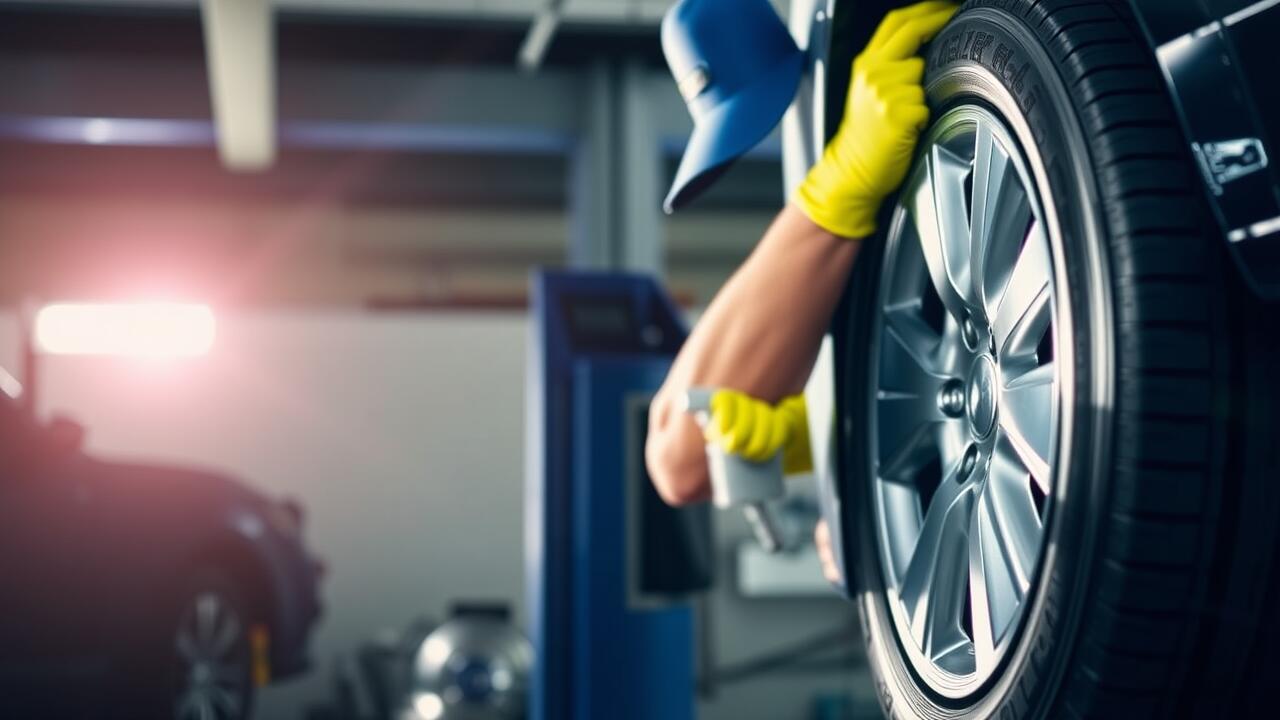
At Dallas Towing Top Master, we understand that unexpected tire issues can disrupt your day. That's why our Tire Change service is designed to provide quick, efficient, and professional assistance when you need it most. Whether you have a flat tire from a roadside incident or simply need to switch out tires for the season, our experienced technicians are ready to help. We come equipped with the right tools and expertise to safely remove your damaged tire and replace it with a spare, ensuring you get back on the road as soon as possible. Count on us for reliable, prompt service that prioritizes your safety and convenience in Dallas and the surrounding areas.
Choosing the Right Spare Tire
Selecting the appropriate spare tire is crucial for vehicle safety and performance, especially when dealing with a flat tire. Consider the specifications outlined in your owner's manual to ensure compatibility with your vehicle. This includes understanding the size, load index, and speed rating of the spare tire. It’s also important to choose a tire that matches the existing tires in terms of tread pattern and overall design for better handling and traction, particularly in varying weather conditions.
When assessing your spare tire options, evaluate the type of spare, such as a full-size tire or a compact temporary tire. Full-size spares provide better fuel efficiency and safety, while compact spares can save space and weight in your trunk. Pay attention to factors like inflation pressure, typically measured in psi, and regular maintenance checks. Ensuring your spare is properly inflated and well-maintained can significantly impact your roadside assistance experience during unforeseen events like a blowout.
Factors to Consider When Selecting a Spare
Selecting the right spare tire involves understanding the specific requirements of your vehicle. Factors such as the vehicle model, tire size, and load capacity play crucial roles in ensuring safety and performance. For passenger cars, consider checking the uniform tire quality grading system, which rates tire tread, traction, and temperature resistance. This information is vital for consumers who want to maintain optimal driving conditions, particularly in challenging weather or terrain.
Additionally, the spare tire's design can significantly impact your vehicle’s fuel efficiency and braking performance. For example, a donut spare offers a lighter option that saves space but typically has limitations in terms of speed and distance. Examining the warranty and potential treadwear can provide insight into the longevity and durability of the tire. Proper air pressure and regular checks using a tire gauge also contribute to safe handling and reduced rolling resistance, making informed decisions key factors in roadside preparedness.
Safe Locations for Tire Changes
When experiencing a flat tire, choosing the right location for a change is essential for safety and convenience. Ideally, look for flat, stable ground away from traffic. Parking lots, gas station forecourts, or wide shoulders on highways can be suitable options. Avoid busy streets or areas with heavy traffic to reduce the risk of accidents. Always turn on your hazard lights to alert other drivers of your situation and ensure you have ample space around the vehicle to work safely.
Before beginning the tire change, it’s important to gather all necessary tools, including a scissor jack and a torque wrench, from your glove box or tool kit. Depending on the weather, you may also want a flashlight and gloves to protect your hands. For situations involving trailers or cargo trucks, additional considerations for weight distribution and leveling may be necessary. Be mindful of any existing debris or obstacles in the area and proceed with confidence, adhering to the vehicle's recommended tire-changing sequence as specified in the owner’s manual.
Ideal Spots to Perform a Tire Replacement
Finding a safe location to change a flat tire is critical for both personal safety and effective service. An ideal spot will typically be a level area away from traffic. Look for an emergency lane, parking lot, or a wide shoulder on a road. Always ensure the ground is stable to avoid the risk of the vehicle rolling during the process. In situations involving electric vehicles or hybrid models, being cautious with battery systems is essential. It's advisable to turn on your hazard lights and use a reflective triangle if available, increasing visibility for other motorists.
When it comes to the actual tire-changing process, having the right tools and assessments is essential. A scissor jack is commonly used for tire replacement, allowing easy access to the spare tire. Before lifting the vehicle, ensure the flat tire is properly assessed for punctures or wear. Having a tire gauge on hand to check cold inflation pressure can also help determine if the spare tire is suitable for use. Alongside safety measures, always ensure that the lug nuts are fastened securely in a counter-clockwise direction and check the dashboard indicators post-replacement to guarantee the tire pressure monitoring system (TPMS) reflects normal operating conditions.
Maintenance Tips for Longevity
Regular maintenance is essential to extend the lifespan of your tires. Monitoring tire pressure is a critical aspect of this process, as improper inflation can lead to uneven wear and decreased fuel efficiency. Keeping tires inflated to the manufacturer's recommended kilopascals is necessary for optimal performance. Ensuring that your tires are rotated every 5,000 to 7,500 miles can also help in evenly distributing tread wear. This practice not only enhances the tire's longevity but also contributes to the overall safety of the vehicle.
Additionally, inspecting tires for signs of damage or excessive wear is important. Drivers should check the tread depth regularly; using the penny test is a practical way to gauge whether tires are still safe for use. Look for any punctures, bulges, or leaks in the tires, as these can be signs that a repair is needed. Another key factor is the alignment and suspension of the vehicle, which should be checked periodically. Misalignment can cause tires to wear unevenly, leading to premature replacement and increased costs.
Best Practices to Extend Tire Life
Ensuring optimal tire longevity requires regular inspections and maintenance. One key practice is monitoring tire pressure. Keeping tires inflated to the manufacturer-recommended settings enhances fuel efficiency and promotes even wear. Under-inflation can lead to increased rolling resistance, contributing to accelerated degradation. Additionally, regular rotation of tires prevents uneven wear patterns, helping to evenly distribute the load across all tires.
Being mindful of driving habits plays a crucial role in extending tire life. Careful navigation around potholes and avoiding sudden stops can protect the tires from unnecessary damage. Properly loading a vehicle also matters; overloading can lead to increased strain on the tires, resulting in faster wear. Using appropriate tires for seasonal conditions, such as winter tires during colder months, further contributes to overall tire health and performance.
FAQS
How often should I check my spare tire's condition?
It's recommended to check your spare tire at least once every six months to ensure it is properly inflated and free of damage.
What factors should I consider when selecting a spare tire?
Consider factors such as the tire type, size, tread pattern, load rating, and compatibility with your vehicle when selecting a spare tire.
Where are the safest locations to perform a tire change?
Ideal spots for a tire change include flat, stable surfaces away from traffic, such as parking lots, driveways, or designated roadside assistance areas.
What are some maintenance tips for extending the life of my tires?
To extend tire life, regularly check tire pressure, rotate tires every 5,000 to 7,500 miles, maintain proper alignment, and ensure regular tread inspections.
Can I use a temporary spare tire for long periods?
Temporary spare tires are designed for short-term use only, typically up to 70 miles, and should not be used as a permanent replacement for a full-size tire.